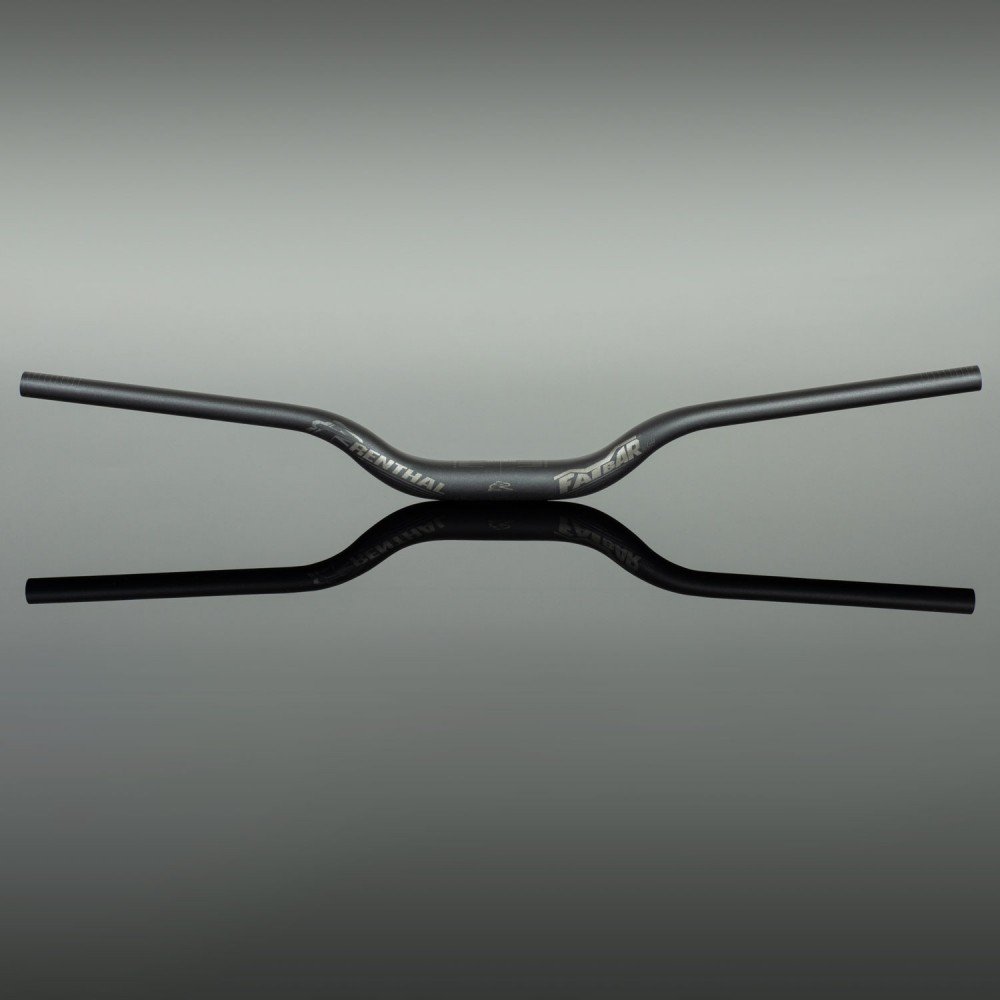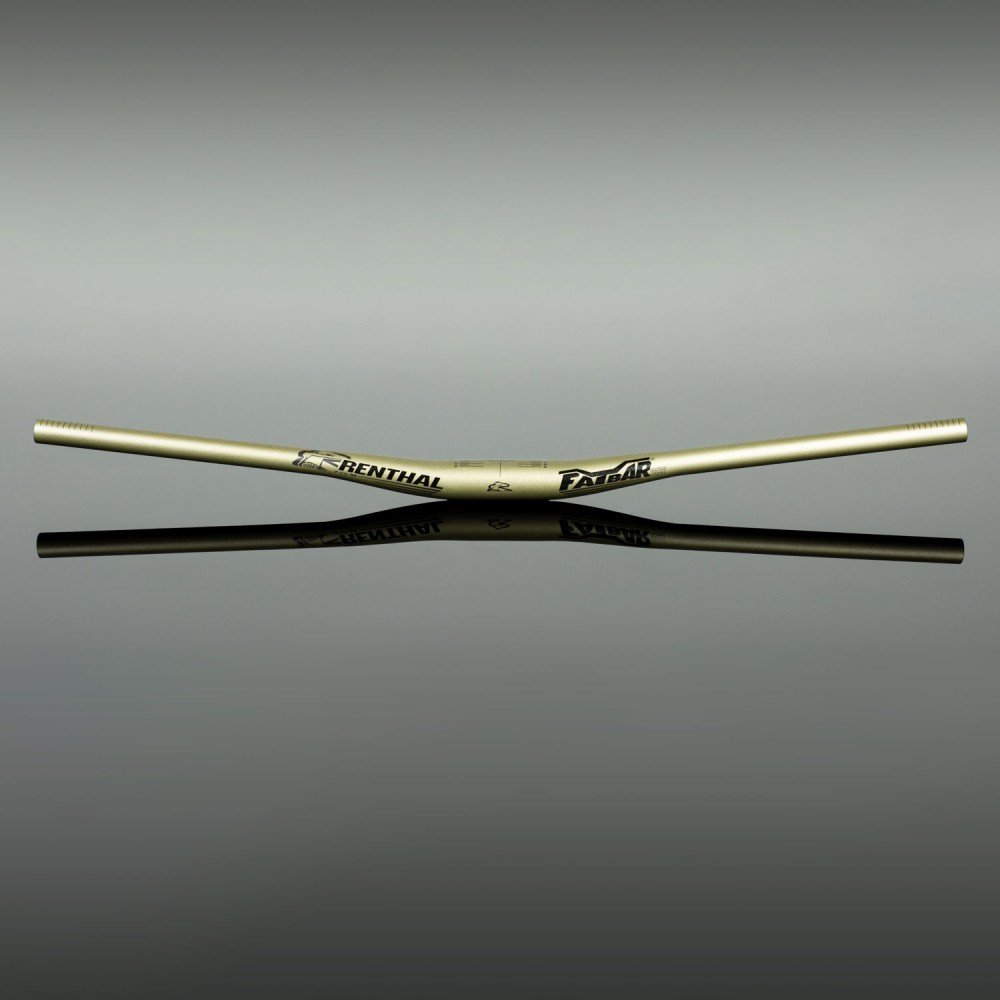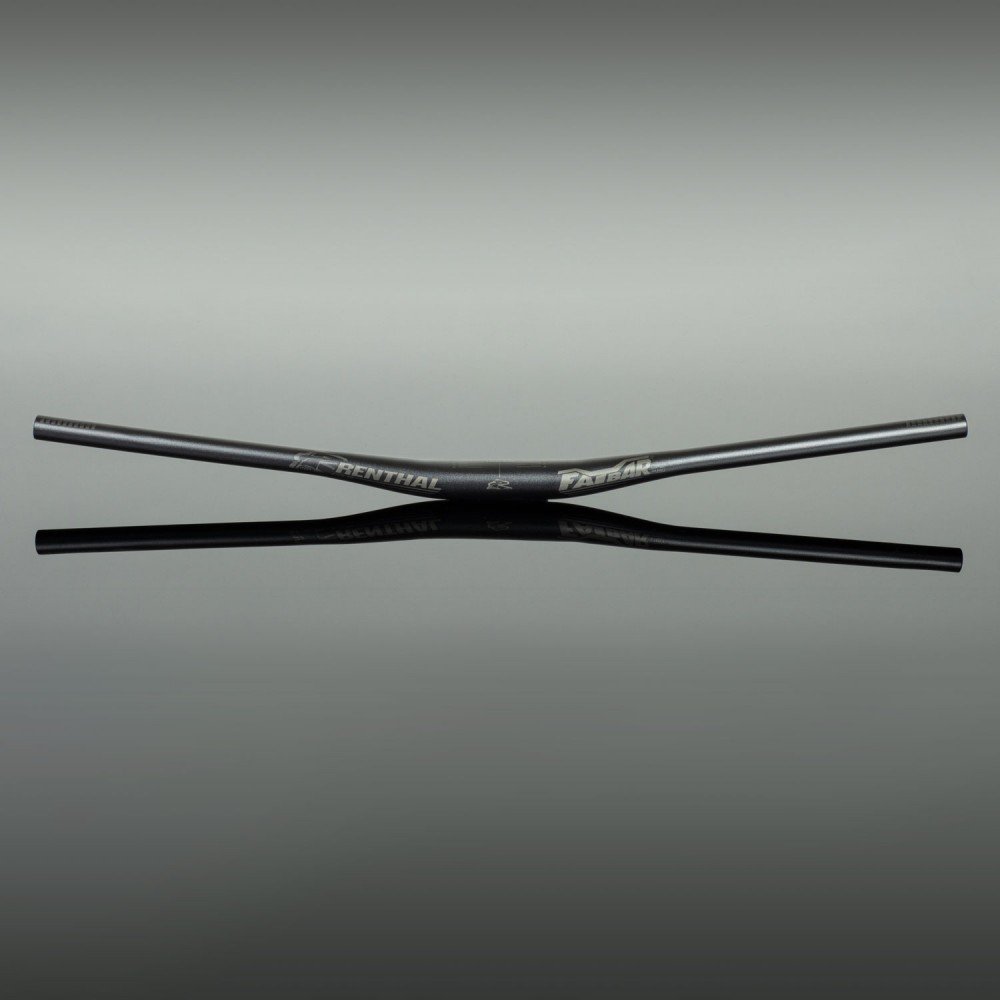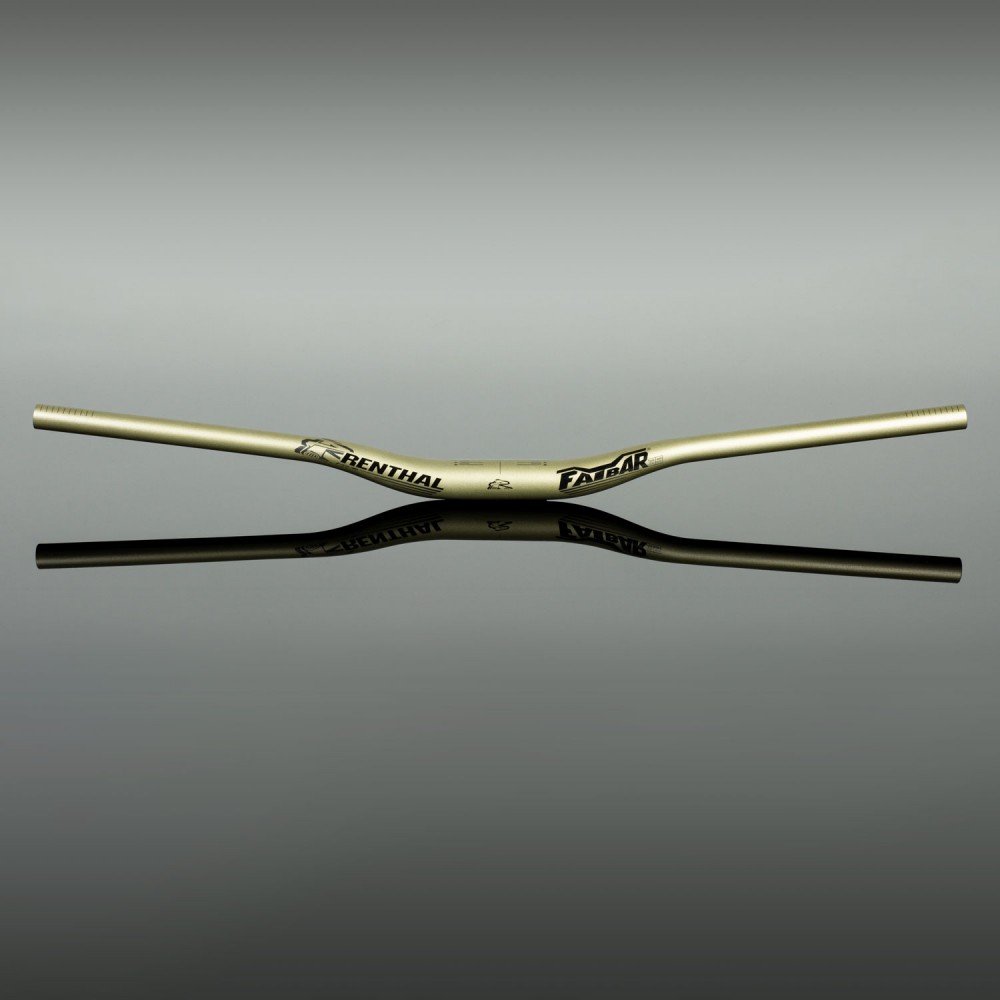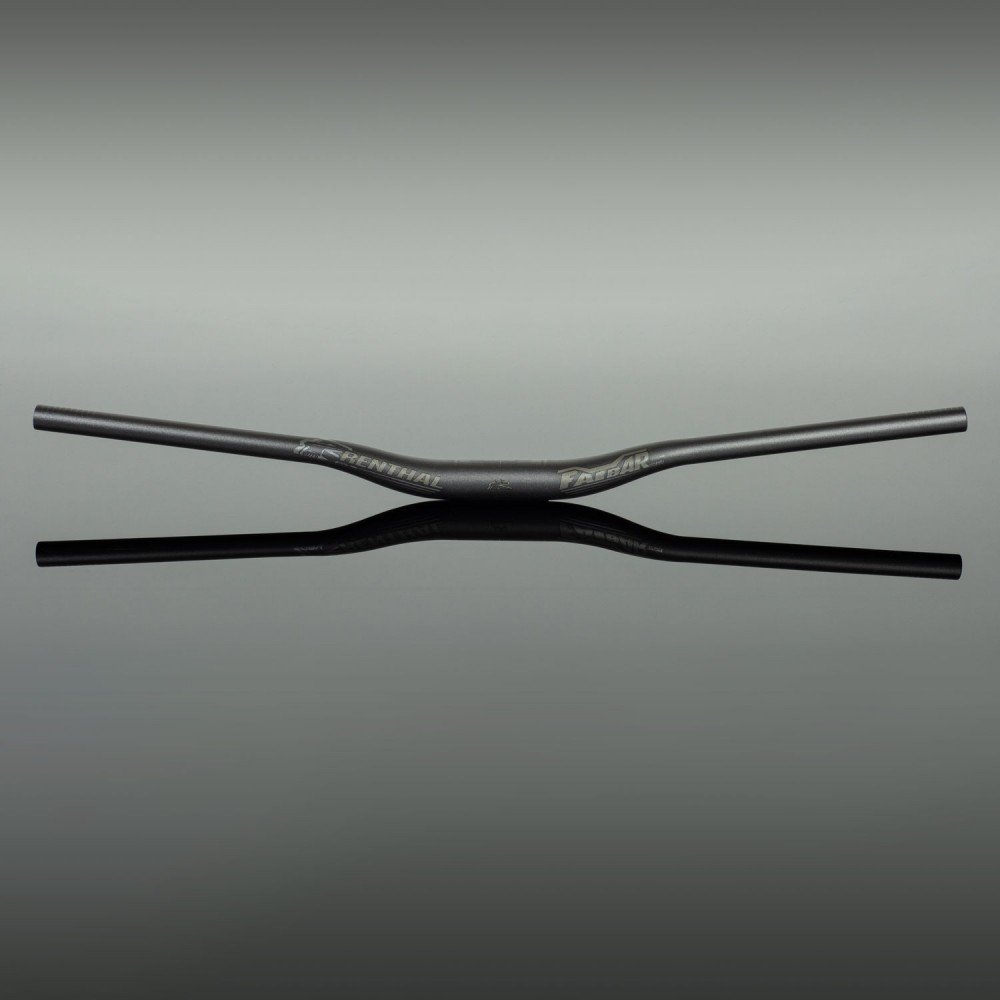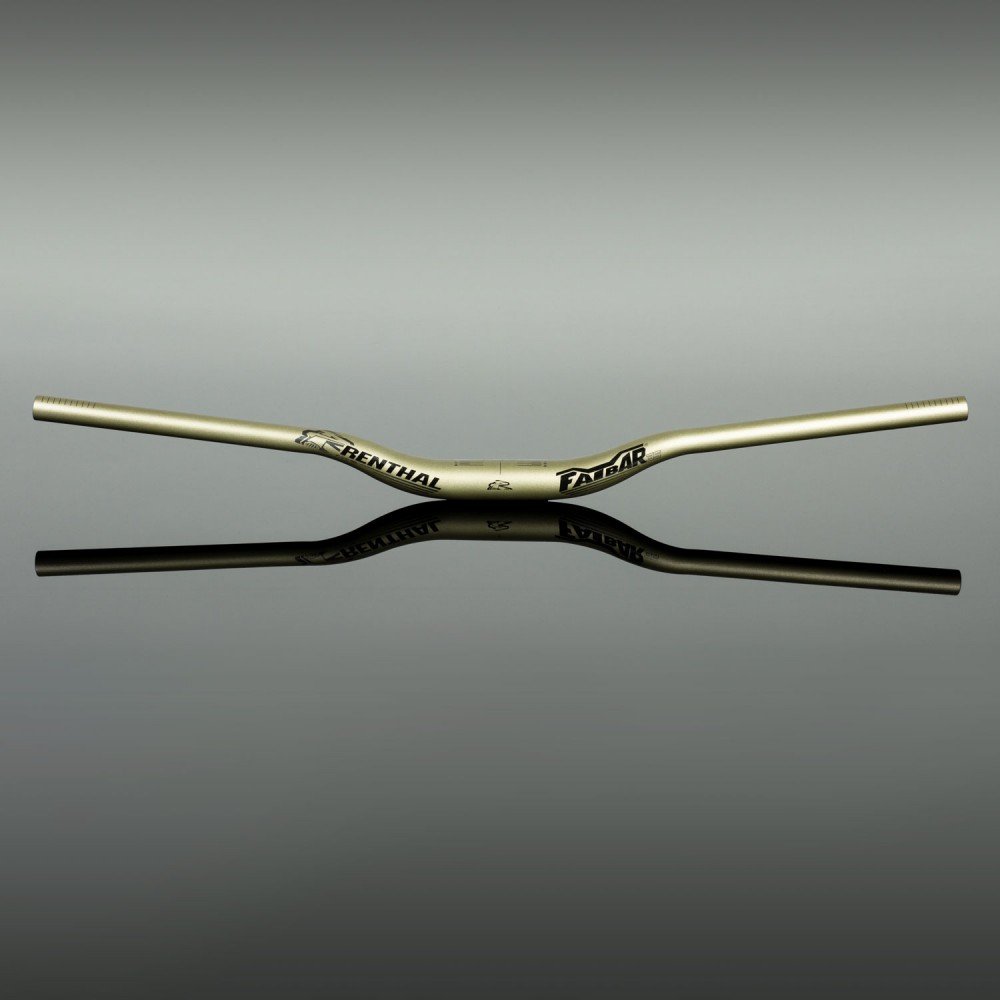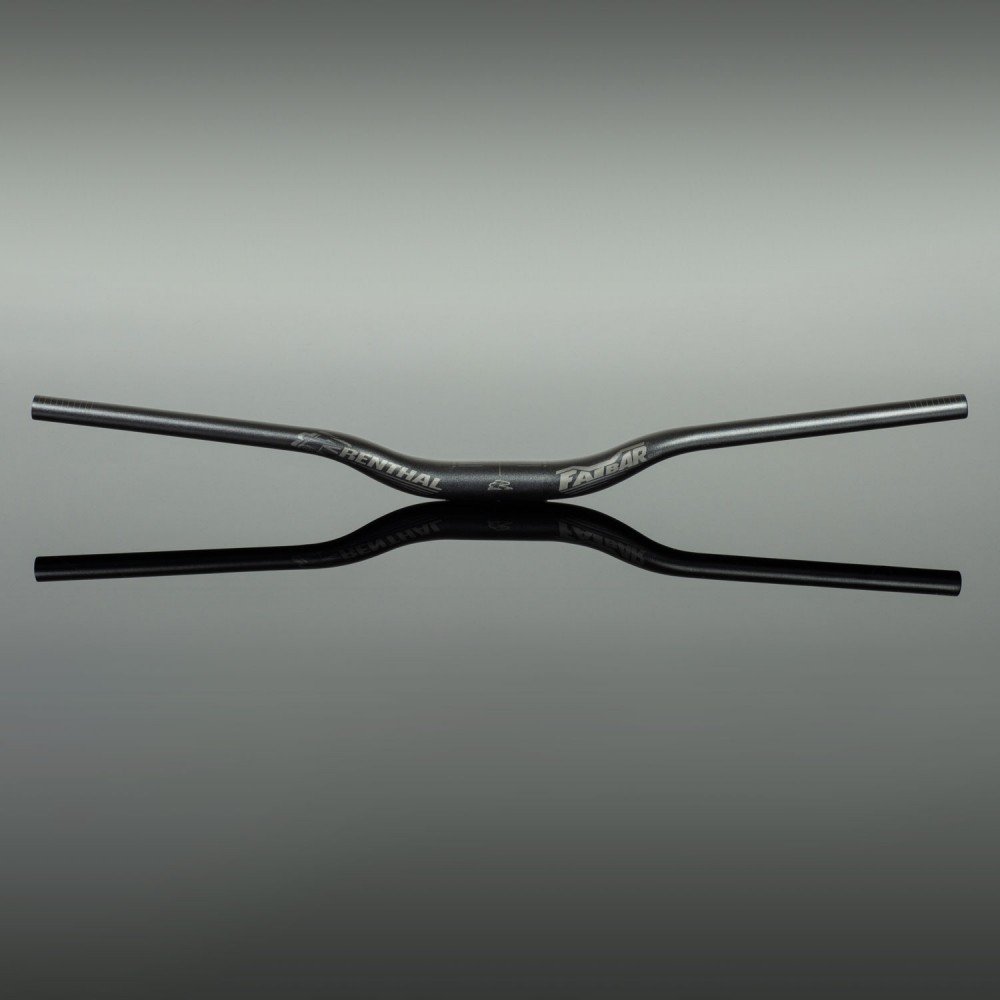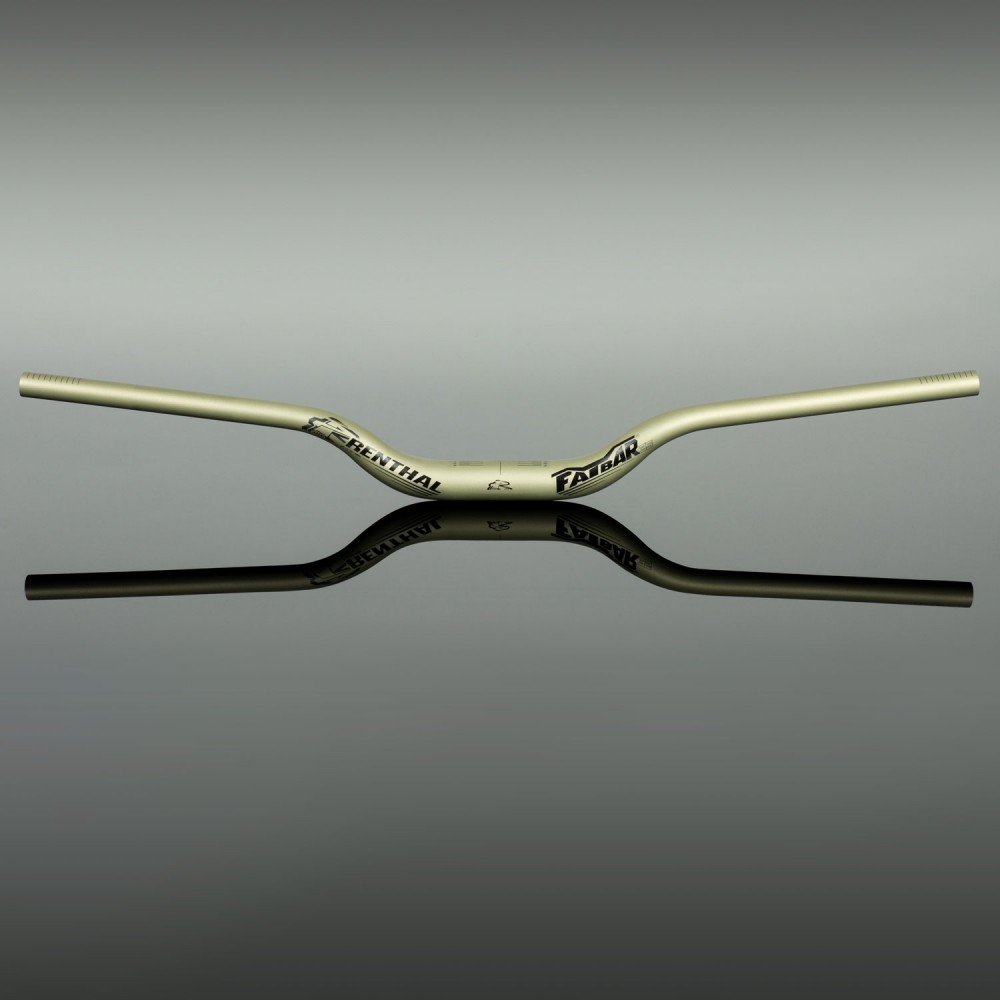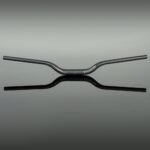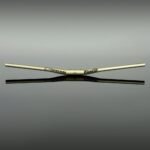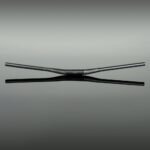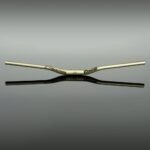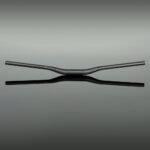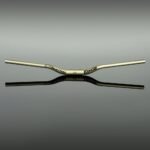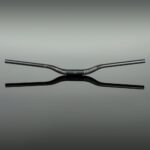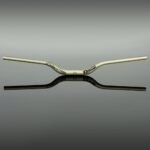
The Renthal Fatbar 35 handlebar is the ultimate combination of lightness, strength, and durability. Designed specifically for downhill racing, the Fatbar has gained cult status as the aluminium handlebar of choice for World Cup downhill. With eight World Championship gold medals won using the Fatbar, it’s cemented as one of the most successful race products of all time. Now at much lower weight, this all-new Fatbar is also ideally suited for trail bike use where super-wide handlebars are required.
The Renthal Fatbar has already gained cult status in downhill mountain biking. Eight World Championship gold medals have been won using the Fatbar – a testament to its performance at the absolute highest level of competition. When riders are pushing limits on the world’s most technically demanding tracks, they choose the Fatbar for its proven combination of strength, control, and reliability.
This race-winning heritage isn’t marketing hype – it’s documented performance at World Cup level where equipment failure or inadequate control can mean the difference between podium finish and crash. The Fatbar’s dominance in downhill racing validates its engineering and construction quality.
The cult status extends beyond professional racing. Gravity riders worldwide recognise the Fatbar as the benchmark aluminium downhill handlebar. Its distinctive profile and proven performance make it instantly recognisable and highly sought after.
The all-new Fatbar achieves much lower weight – from just 305g depending on rise and clamp diameter specification. This impressive figure has been achieved through more efficient use of material, removing any excess to reduce weight whilst retaining the strength, durability, and flex characteristics that made the original Fatbar legendary.
This weight reduction transforms the Fatbar’s application range. Previously considered purely a downhill handlebar, the new lighter weight makes it ideally suited for trail bike use where super-wide handlebars are increasingly popular. Trail riders benefit from the Fatbar’s proven strength and durability without significant weight penalty.
The weight achievement is particularly impressive given the handlebar’s substantial width (800-820mm) and robust construction. Many lighter handlebars compromise strength or durability to achieve low weight. The Fatbar achieves lightness through intelligent material distribution rather than simply using less material everywhere.
The Fatbar is constructed from exclusive high-strength 7-series aluminium. This alloy family (particularly 7075 aluminium) offers exceptional strength-to-weight ratio – significantly stronger than the 6-series aluminium (6061) commonly used in bicycle components.
7-series aluminium achieves its superior strength through copper, zinc, and magnesium alloying additions. The resulting material provides tensile strength approaching some steel alloys whilst maintaining aluminium’s low density. This strength enables thinner wall sections without compromising durability, contributing to the Fatbar’s impressive lightness.
The material selection alone isn’t sufficient – heat treatment processes are equally crucial. Renthal uses specific heat treatment sequences carefully selected to optimise the 7-series aluminium’s properties. Proper heat treatment dramatically affects the aluminium’s strength, ductility, and fatigue resistance.
The combination of premium 7-series aluminium and optimised heat treatment creates a handlebar material with ultimate strength and durability. This material engineering represents decades of Renthal’s experience translating motocross handlebar expertise to mountain biking applications.
Millions of tiny steel shot are blasted at high velocity at the Fatbar, leaving a textured surface finish. This shot peening process vastly increases fatigue life and hence durability of the handlebar.
Shot peening works by inducing compressive residual stress in the aluminium’s surface layer. These compressive stresses counteract the tensile stresses created during riding loads. Since fatigue cracks initiate and propagate from surface tensile stresses, the compressive layer dramatically improves fatigue resistance.
The process is particularly valuable for aluminium components experiencing repeated stress cycles – exactly the loading pattern handlebars experience during aggressive riding. Every impact, every hard corner, every landing creates stress cycles that accumulate fatigue damage. Shot peening extends the fatigue life by orders of magnitude compared to non-peened aluminium.
The textured surface finish left by shot peening is functional rather than merely aesthetic. The texture provides mechanical key for the subsequent hard anodising process, improving coating adhesion and performance.
Shot peening is expensive and time-consuming – many manufacturers skip this process to reduce costs. Renthal’s commitment to this treatment demonstrates their prioritisation of durability and safety over cost minimisation.
The Fatbar features hard anodising surface treatment. This finish is far superior in abrasion resistance to standard anodising, keeping your handlebar looking new through years of aggressive use.
Anodising creates a thick oxide layer on aluminium surfaces through electrochemical process. Hard anodising (Type III anodising) produces much thicker, harder, and more durable coating than standard decorative anodising (Type II). The hard anodised layer provides exceptional scratch and wear resistance.
This durability is crucial for handlebars that regularly contact trail obstacles, suffer crash impacts, and experience abrasive contact from controls, grips, and rider contact. The hard anodised finish maintains appearance and provides corrosion protection through years of outdoor exposure.
The finish also provides consistent surface texture supporting grip installation. Unlike painted or powder-coated handlebars where coating damage creates uneven surfaces, the hard anodised Fatbar maintains uniform surface characteristics.
Two colour options are available: Black (classic, versatile, hides dirt effectively) and AluGold (distinctive gold anodised finish reminiscent of Renthal’s motocross heritage).
The Fatbar’s weight reduction comes from intelligent material distribution rather than simply making everything thinner. Renthal analysed stress patterns during aggressive riding, identifying areas where material could be reduced without compromising strength or durability.
High-stress areas retain substantial material. Lower-stress areas use optimised wall thicknesses. The result is a handlebar that’s lighter overall whilst maintaining strength exactly where needed.
This approach requires sophisticated engineering analysis and extensive testing. The payoff is a handlebar that’s simultaneously lighter and as strong as the heavier original design – representing genuine engineering advancement rather than simple material reduction.
The new lighter Fatbar retains the flex characteristics that made the original legendary. Handlebar flex affects ride feel, control precision, and comfort. Too stiff and the handlebar feels harsh, transmitting excessive vibration. Too flexible and control feels vague with imprecise steering response.
The Fatbar’s flex characteristics are carefully calibrated. The bars provide compliance for comfort and vibration damping whilst maintaining precise steering control. This balance creates confidence-inspiring handling – you feel connected to the bike with clear feedback about trail conditions and bike behaviour.
Retaining these characteristics whilst reducing weight demonstrates the sophistication of the redesign. Many lightweight handlebars compromise flex characteristics, becoming either too stiff (harsh ride) or too flexible (vague control). The Fatbar maintains the proven feel riders trust.
Normally, we aim to pack up and send out your orders on the same day (especially if you order before midday) and you’ll have the option to pick which courier you’d like to use at checkout. All letters will be sent via Royal Mail and all bikes are sent using Paisley Freight. Other items have the option of Evri or Royal Mail. Delivery time is usually two or three working days from dispatch.
We deliver to all of mainland UK for the costs shown below, please contact us via phone on 01425 403584 or email info@newforestcycling.com to enquire about shipping to non-mainland locations.
In-Store Pick up is also available at checkout, if you’d like to come and pick up in person!
We want you to be 100% happy with your shopping experience and therefore we offer a 30-day returns policy for any unwanted and unused items that are still within their original packaging. Please be aware that in this instance the customer must cover the cost of returning an unwanted item.
We cannot assume responsibility for returned items lost in the post. Your statutory rights are not affected.
If you’re returning a faulty item, please contact us so we can assist you.